
William Heughan
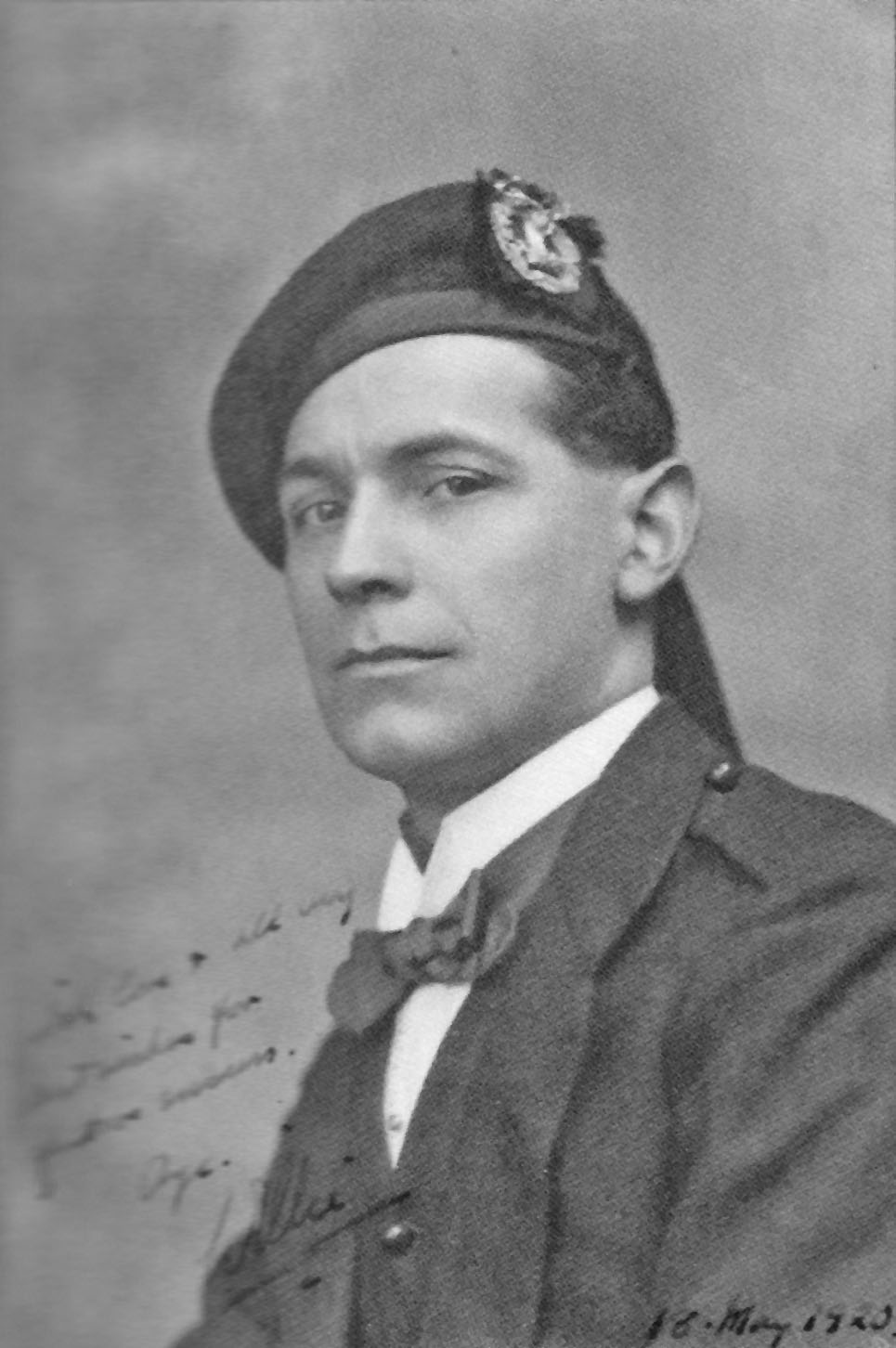
William Heughan by his great nephew Malcolm Heughan and his wife Jenny Heughan.
-----------------------------------------------------------------------------------------------
William was born on the 4th July 1886, one of sixteen children of James Heughan, Master Blacksmith of Water Street, Dalbeattie. His grandfather and great grandfather had also been blacksmiths in Dalbeattie and like all his family he was a pupil at the local school.
Throughout the generations, Scots have always travelled, taking their expertise to many parts of the world and the Heughan family was no exception. William’s uncle, Robert, suffered a gruelling sea voyage to Auckland, New Zealand in 1862 to join early settlers as a much needed blacksmith – but there lies another amazing story of which Willian would have been well aware. He also had a more distant relative, Joseph Heughan, who was a blacksmith in Auchencairn who wrote and sang his own verses of such merit that he ranked among the Bards of Galloway and was known as the Singing Blacksmith.
In possession of a fine bass singing voice, William went to London to study music under Visetti at the Royal College of Music and in 1911 he travelled to Italy and studied under Sabatini. He started his stage career in Wagner’s operas and sang for five seasons under the conductor, Sir Thomas Beecham.
War broke out in 1914 and he went home to Scotland to join the Gordon Highlanders, reaching the rank of 2ndLieutenant. Having served abroad he returned home to write a handbook on the use of revolvers, which was considered by the authorities to be far too informative and was banned in case it fell into enemy hands!
After the war at the age of 32, his love of Scottish folk songs and ballads were included in his programme and this versatility, together with his immense acting ability would capture and entrance audiences around the world. In 1923 the Burns Federation wanted to link Scots living abroad and to demonstrate to the world at large that Scottish music can compare with that of any other nation.
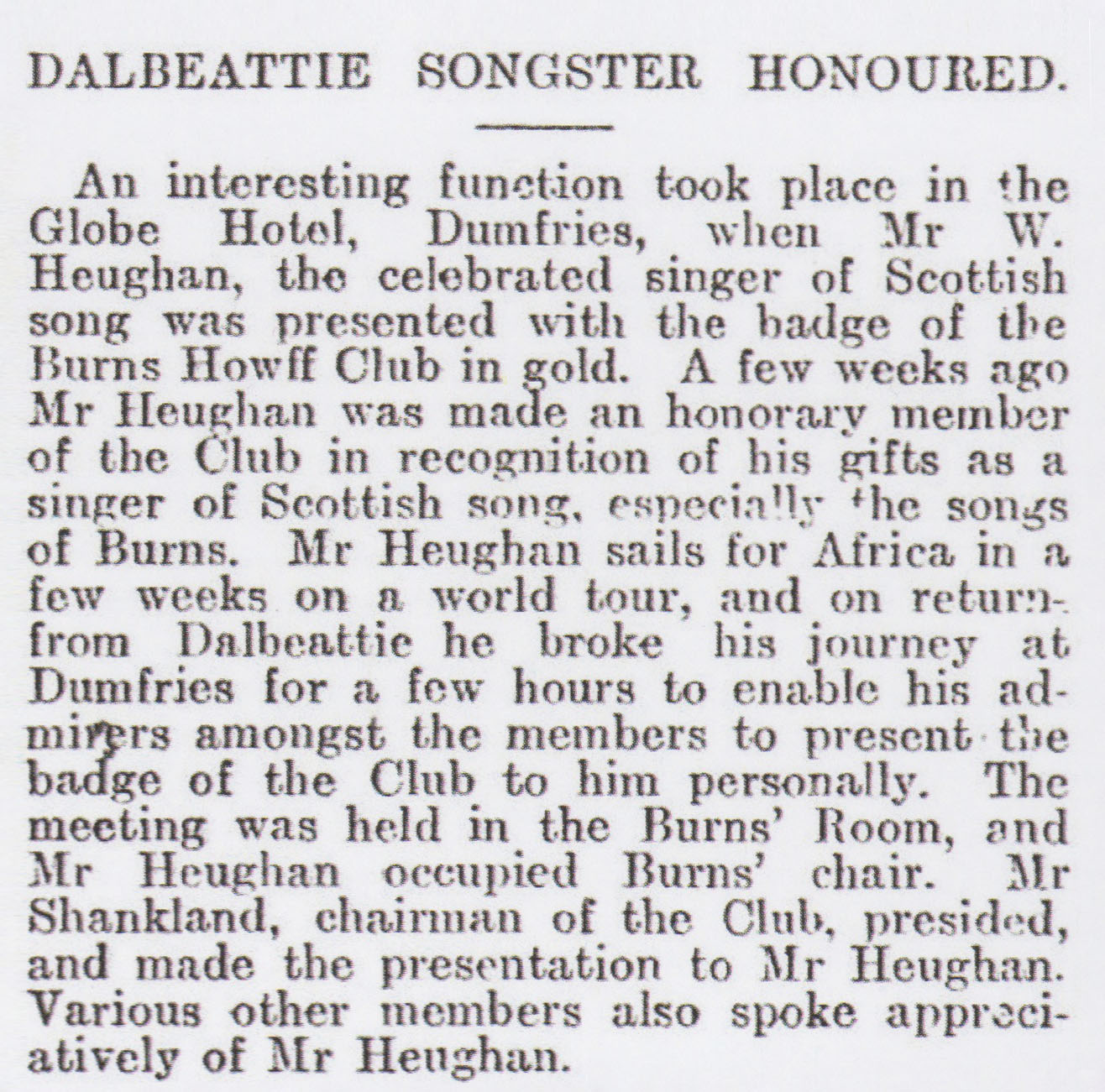
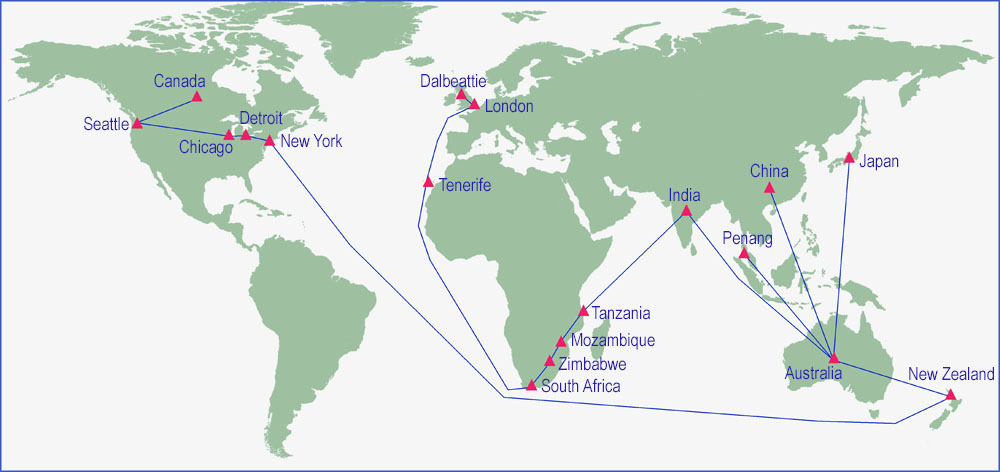
Of course all Scots knew this, but in those days most other people would have been under the impression that the songs of Harry Lauder, alone were typical of Scotland so the Burns Federation chose William Heughan, by now a world famous actor singer, together with his brother David, a fine comedic singer in his own right, and pianist Miss Gladys Sayer to set out on a four year worldwide tour. This was to cover 170,000 miles and over 650 recitals not counting those given to more isolated groups of Scots on an impromptu basis. The boat’s first stop in Tenerife was the first impromptu event as crowds filled the quay and would not let William continue to his first offical engagement in South Africa without a performance.
Then on to cities of the Far east including China and Japan then Australia, New Zealand, Canada and the USA. From town halls to ex-pat clubs to the finest opera houses, William received rave reviews.

1924 North China Daily News
“Specialises in Scottish Songs. He is a Scot with all the temperament of a Bruce and a Burns, A Gael and a Jacobite. He must love Burns. He gets all the tears and teasings; the sighs and smiles; all the love and laughter out of the beloved Scotch Bard.”

1926 Chicago Herald Examiner
“Heughan thrills with great bass ….. a voice that is nothing short of phenomenal … If you would know all about great singers by all means hear Heughan.”

1925 Seattle Daily Times
”as recalled again and again. A consummate actor as well as a superb singer, he held his audience spellbound with his interpretations.”
1927 Glasgow Evening News
”Heughan is a really gifted artist with genuine humouristic qualities….”
-----------------------------------------------------------------------------------------------
Such was his voice that in 1927 when about to debut in Milan in the Italian opera, Norma, he had his throat examined by an Italian specialist, Sgr. D’Orchi, who stated that in all his experience he had only seen one throat to compare and that was of Tito Ruffo, baritone of the Metroploitan Opera, New York. Negotiations were entered into to secure William’s throat upon his death! Luckily this gruesome idea was not put into practise!
It was at Cawnpore in India, William first met the MacRobert family from Aberdeen. In 1933 Lady MacRobert asked him, as the premier Scottish opera and ballad singer, to entertain the 500 guests at her son, Roderic’s 21st birthday party.
Later, when he decide to leave the stage and resume an interest in cattle breeding, William was invited by Lady MacRobert to assist in the management of her famous herds at Douneside, where he remained for over 30 years. His picturesque figure in Highland dress evoked memories of the old Clan Bards but there was nothing old-fashioned about his ideas on cattle breeding. Under his direction, the estates produced many prize-winners at agriculture were recognised in 1964 when he was made an honorary member of the Royal Highland Agricultural Society of Scotland. The following article from the Highland Breeders’ Journal in December 1962 describes William Heughan as one of the ‘leading authorities of the Breed at the present time.’
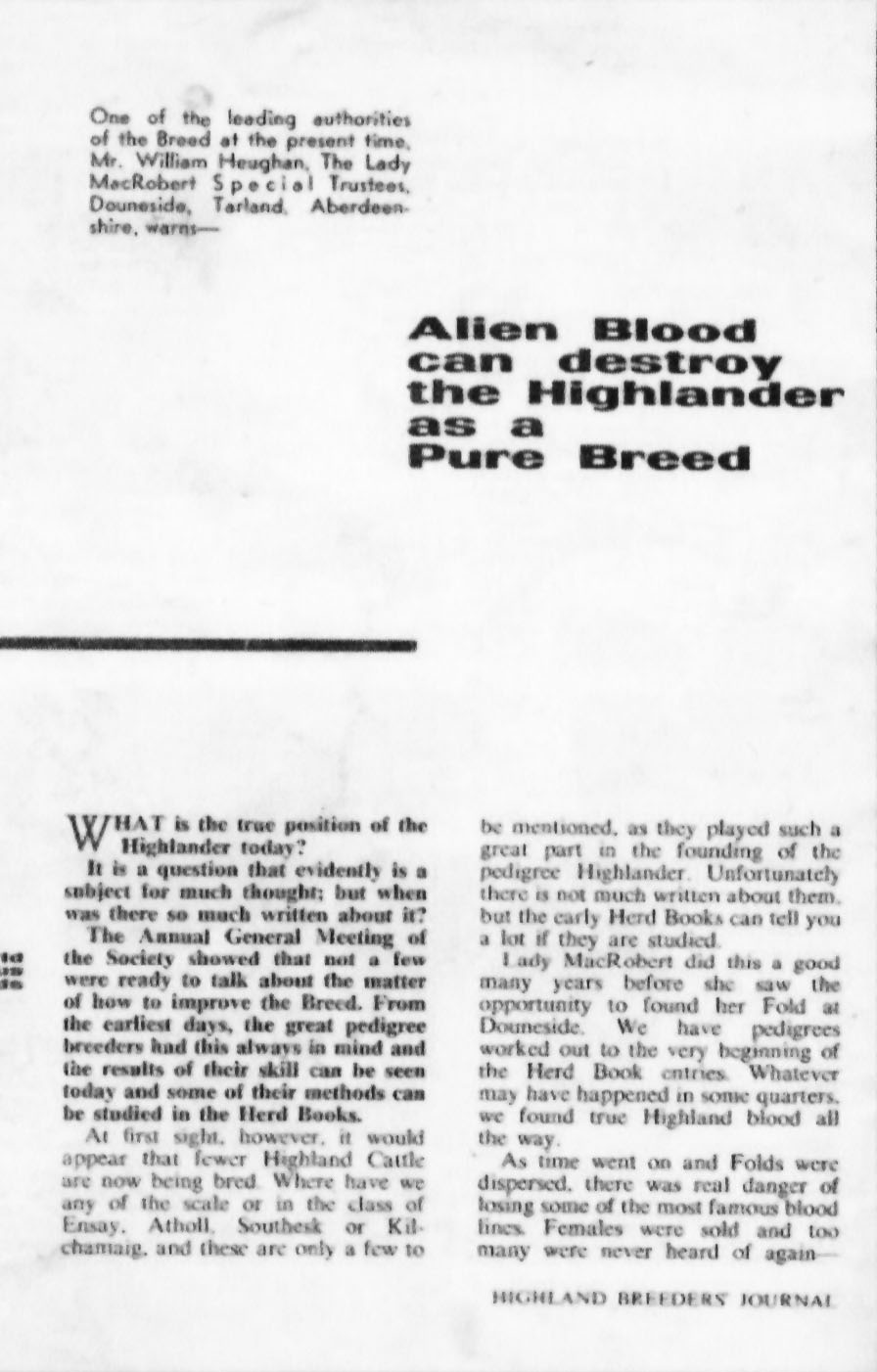
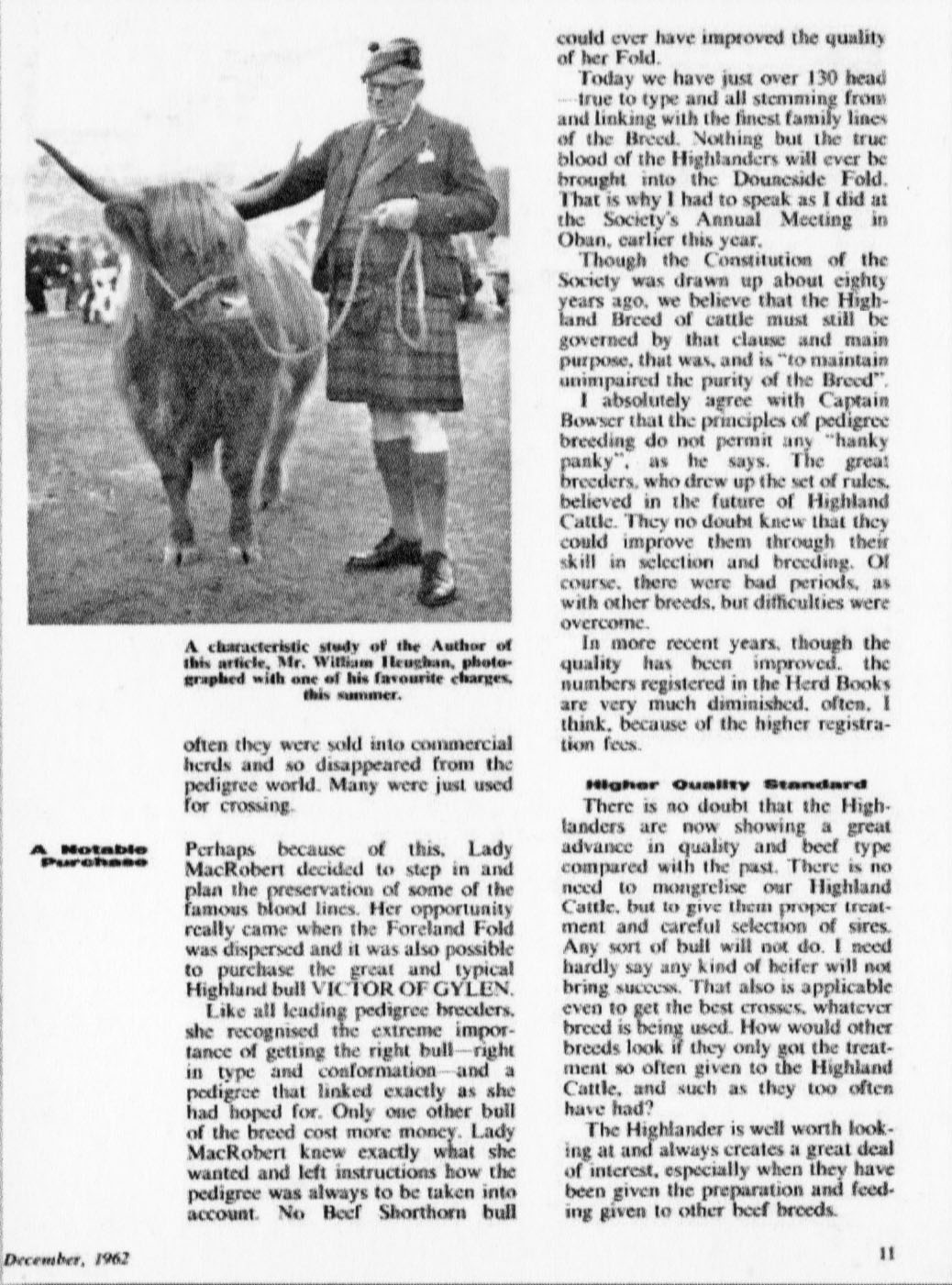
After Lady MacRobert’s death in 1954, William continued her work for many years improving the Highland, Frisian and Aberdeen Angus cattle breeds, and winning many prizes in the show ring, including supreme Aberdeen Angus at Perth in 1964 when the bull ‘Essidium of Douneside’ made 54,000 Guineas and went to New York. Lady MacRobert set up the MacRobert Trust in tribute to her three RAF sons whom she lost in the war and William was appointed senior trustee.
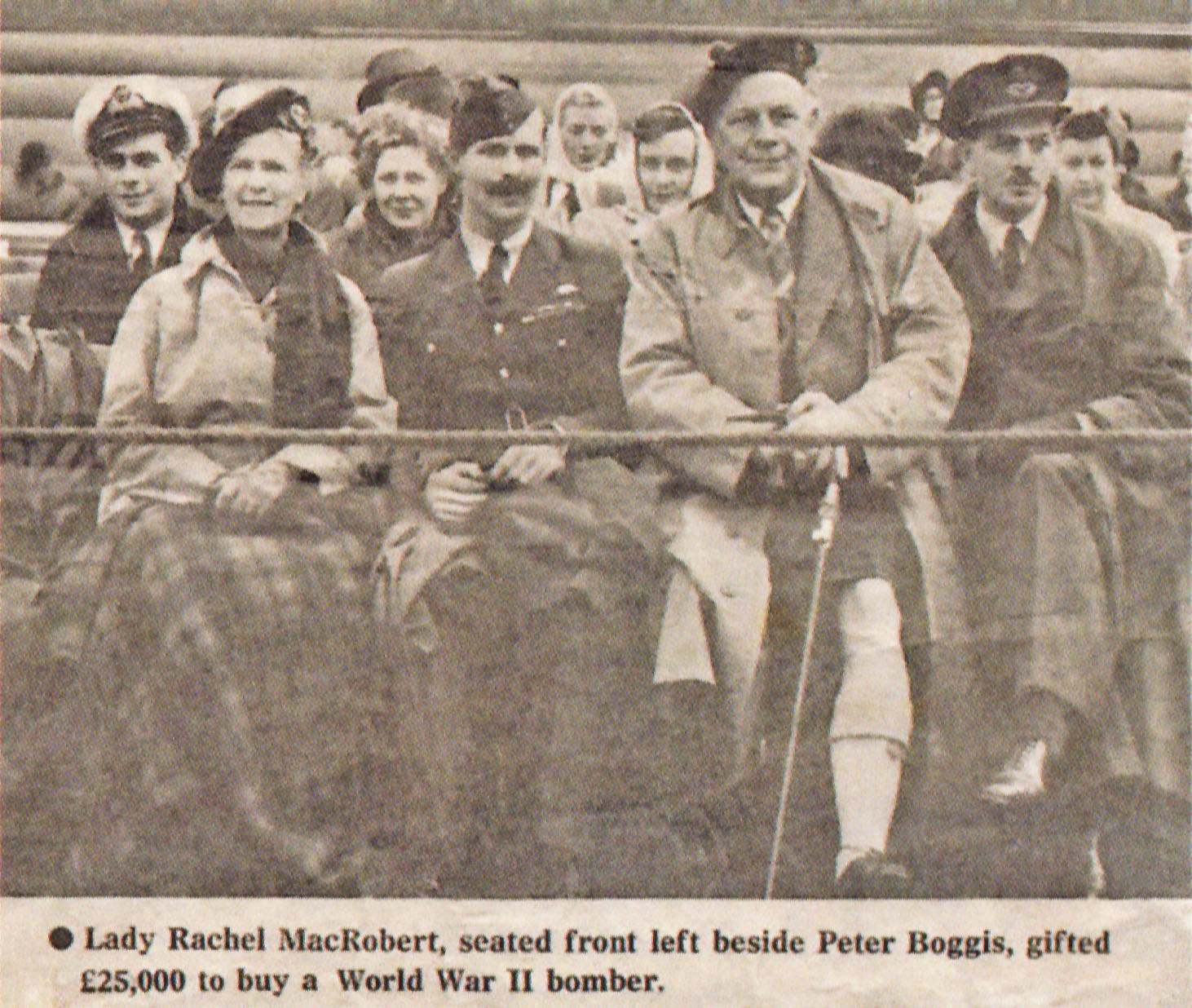
William Heughan acted as host at Alastrean House to officers and cadets from Canada and America in Europe during their visits to the district greeting them with a friendly. ‘Welcome laddie!’.
On 10th July 1964, Aberdeen University conferred Honorary Degree of Dr of Laws on William Heughan. It was said in the address at this occasion that “if an artist is one who combines technical skill with intuition, William Heughan was a successful practitioner of three quite dissimilar art-forms; first as a singer, then as a cattle breeder and finally as a philanthropist’”This is certainly true as Dr Heughan carried out Lady MacRobert’s wishes under the MacRobert Trust and the many other charitable trusts in her name of which he was also trustee and hundreds of donations both large and small given to deserving causes. Her wish to preserve the heritage of Scottish Architecture met fruition in his scheme to sponsor the restoration of houses in old Aberdeen from the top of the Spital to the Town House, which can be seen today.
William died suddenly at the age of 78 at Dounside but his memory lives on. He set up the William Heughan Associated Special Trust to remember his beloved home town of Dalbeattie for the benefit of the young and elderly resident and community projects. Prizes are awarded at school in his name. Fifty years after his death William Heughan would have been proud to see a wonderful new school for Dalbeattie’s young people and would hope that is enthusiasm for music, singing and the art of acting would fill the new halls with the joy of performance and, of course, applause!
Dalbeattie Museum has been a grateful recipient of funding from the William Heughan Associated Special Trust over the years and would like to thank Malcolm Heughan and his wife Jenny Heughan for all their support to the museum.
Further information of the William Heughan Associated Special Trust can be found on the website: www.heughantrust.com